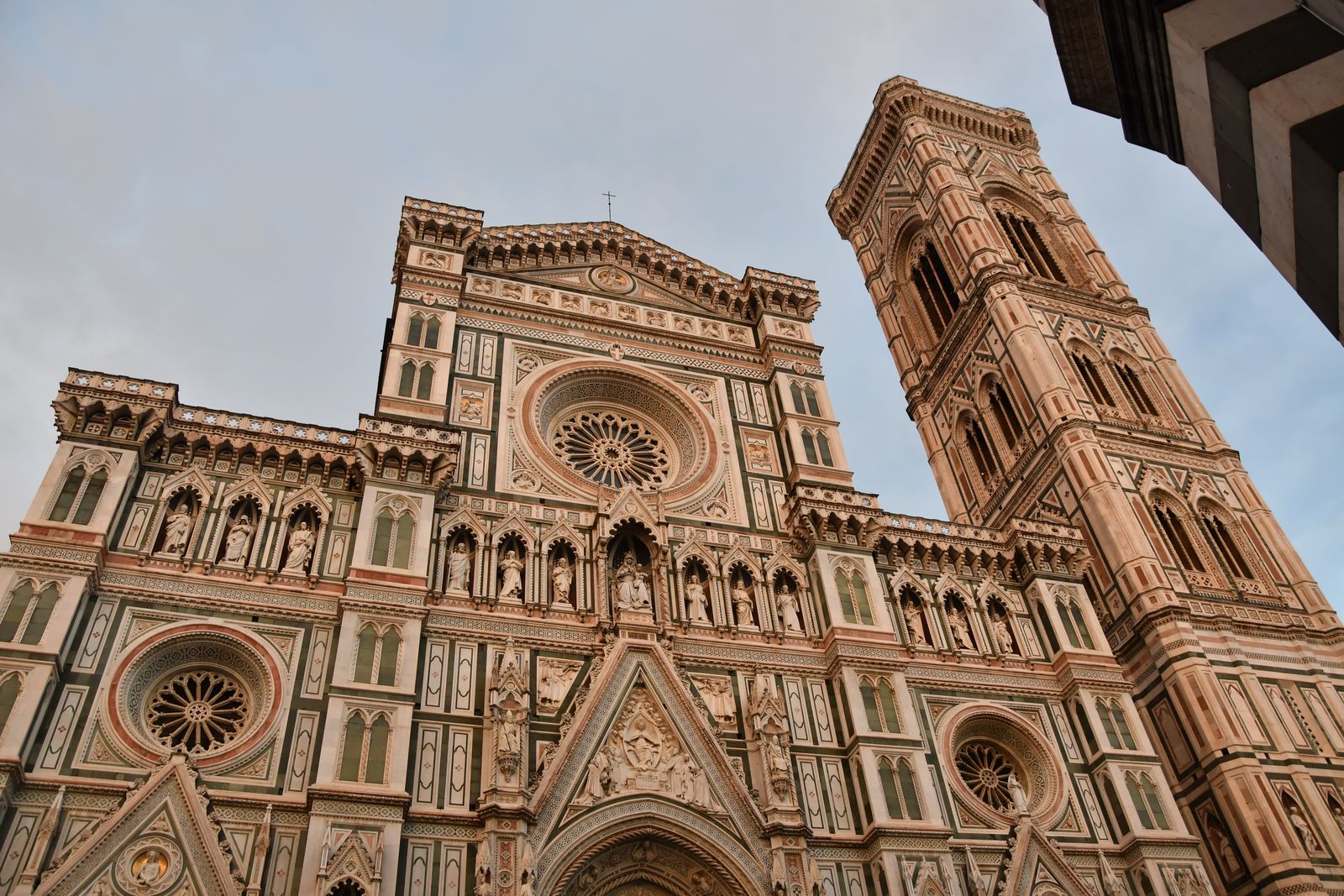
Florence, Before the Doors OpenI
Days I — IIThe Duomo at seven, before the city remembers itself. A key turns in a side door and the Renaissance is briefly, entirely yours. Your footsteps in the corridor are the loudest thing in Florence.
 Enquire
( RA — Italy )
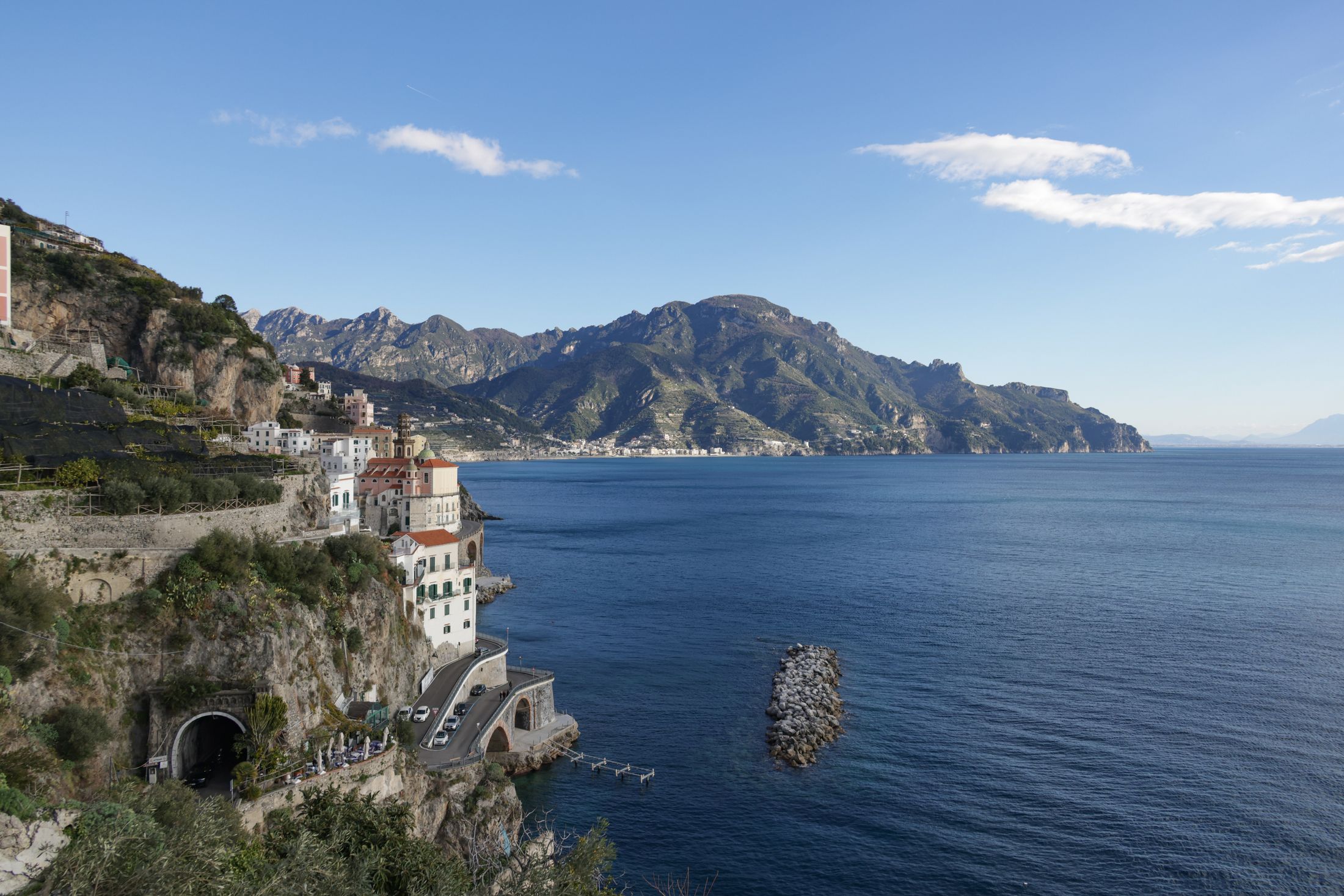
Twelve days from Renaissance stone to the apricot coast, drawn once, around you alone. Italy does not hurry — and for a while, neither will you.
The Duomo at seven, before the city remembers itself. A key turns in a side door and the Renaissance is briefly, entirely yours. Your footsteps in the corridor are the loudest thing in Florence.
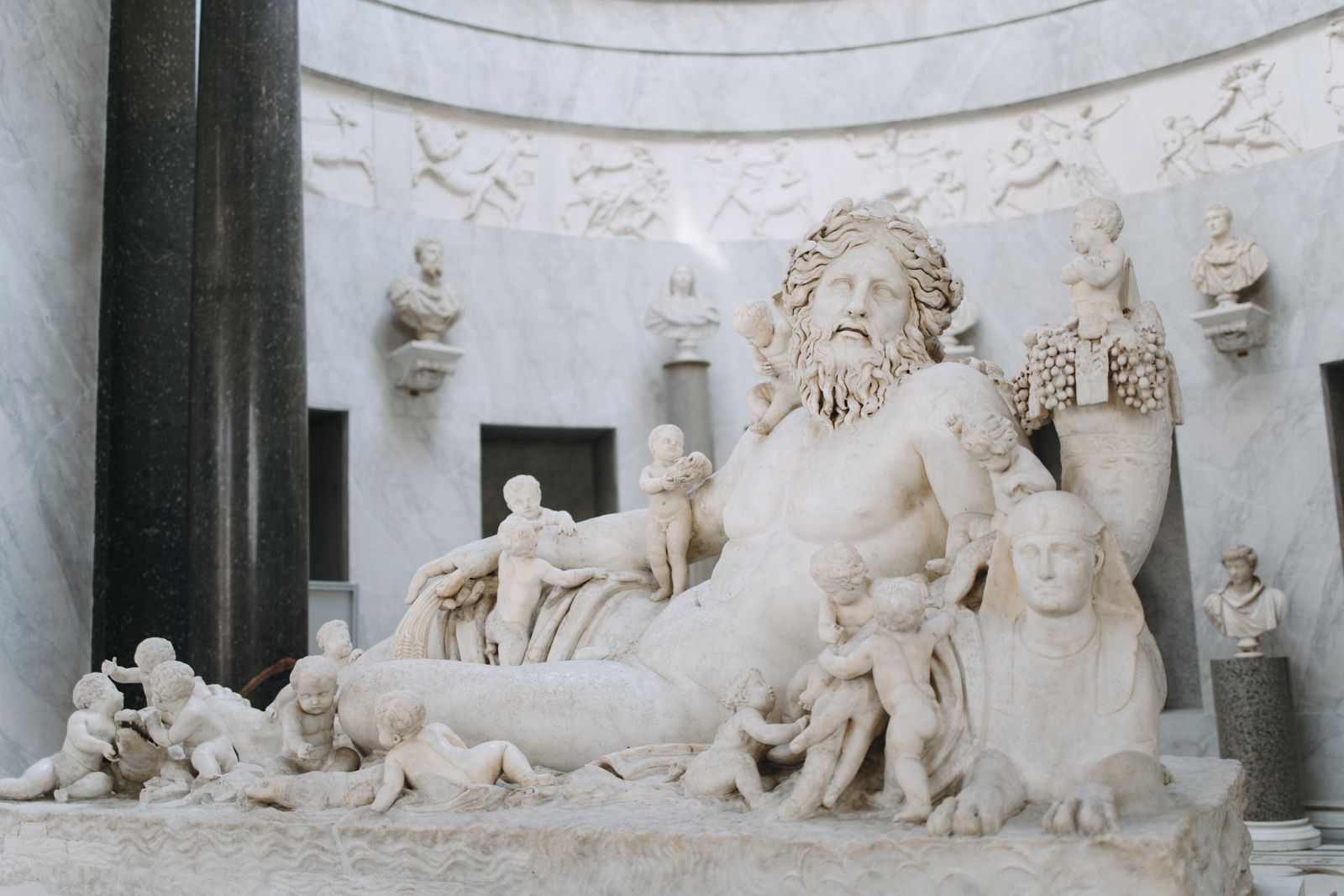
An hour alone with the marble, after hours, the curators speaking in low voices as though the statues were sleeping. You may touch nothing — and yet you will swear the room touched you.
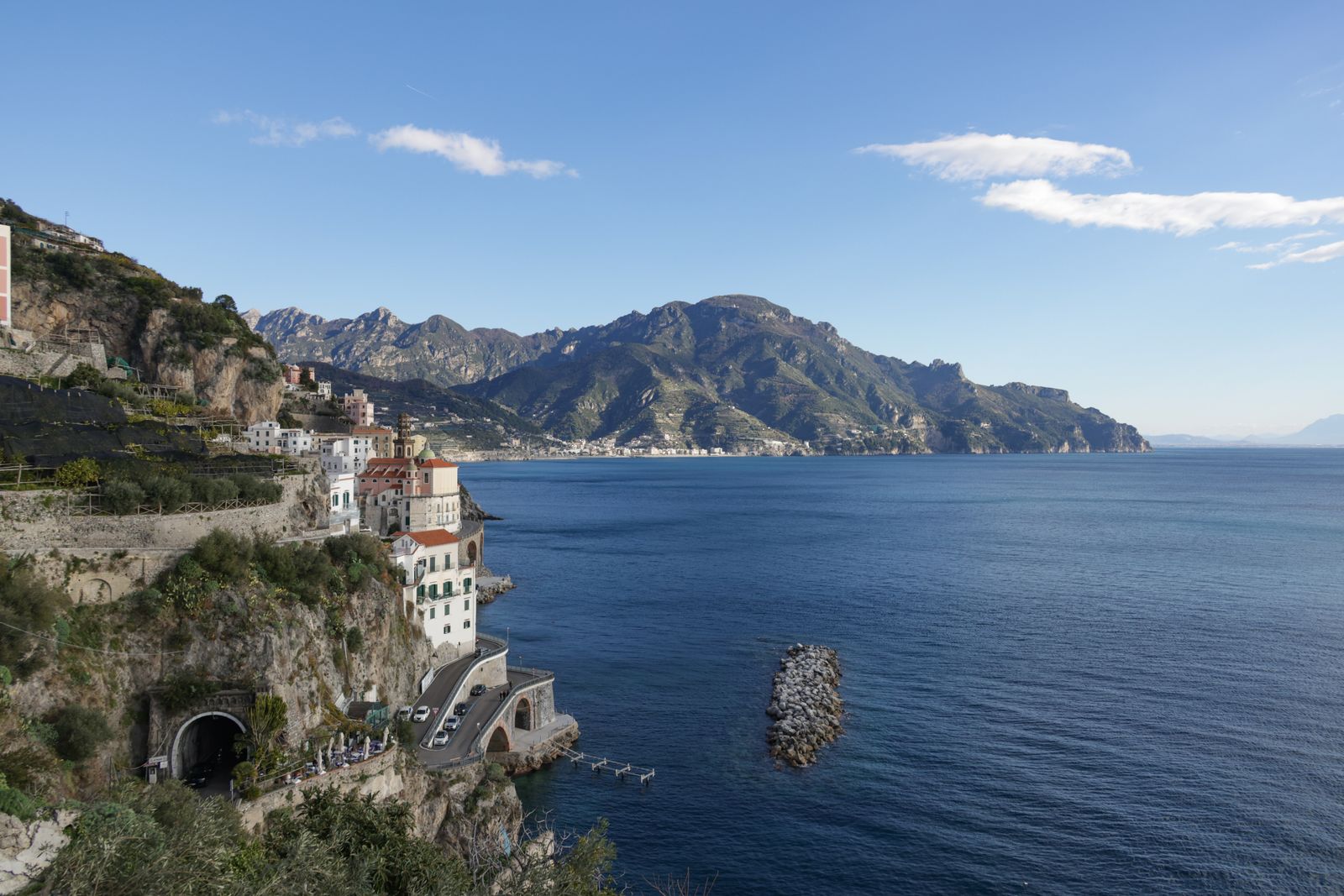
The coast road unspools like ribbon — lemon terraces above, that impossible blue below. Lunch lasts three hours and nobody apologises. From your terrace, the evening ferries cross the bay like slow fireflies.
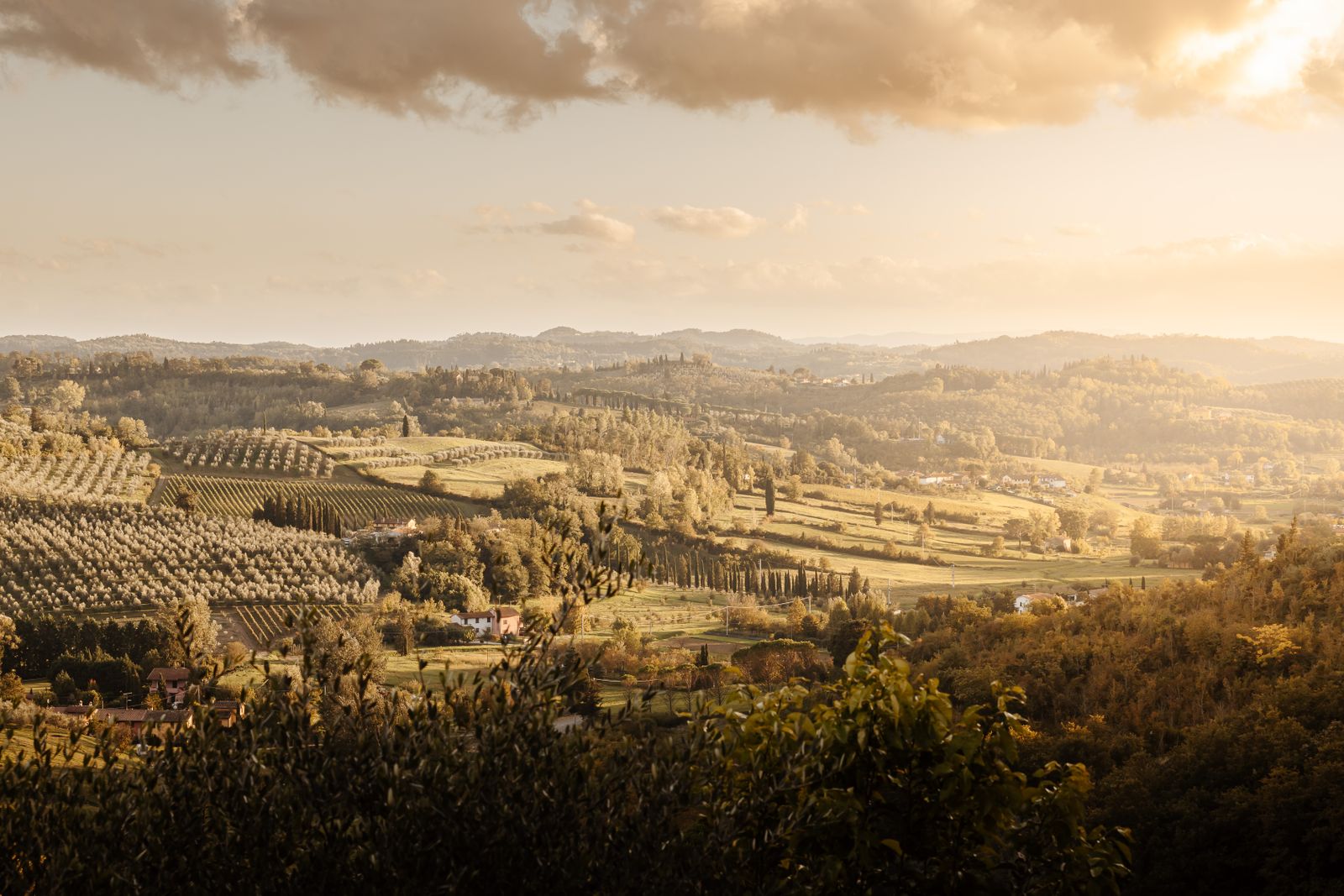
The hills turn gold on schedule, every evening, as though rehearsed. The winemaker’s family has done this for nine generations; tonight, the long table under the pergola is laid for yours.
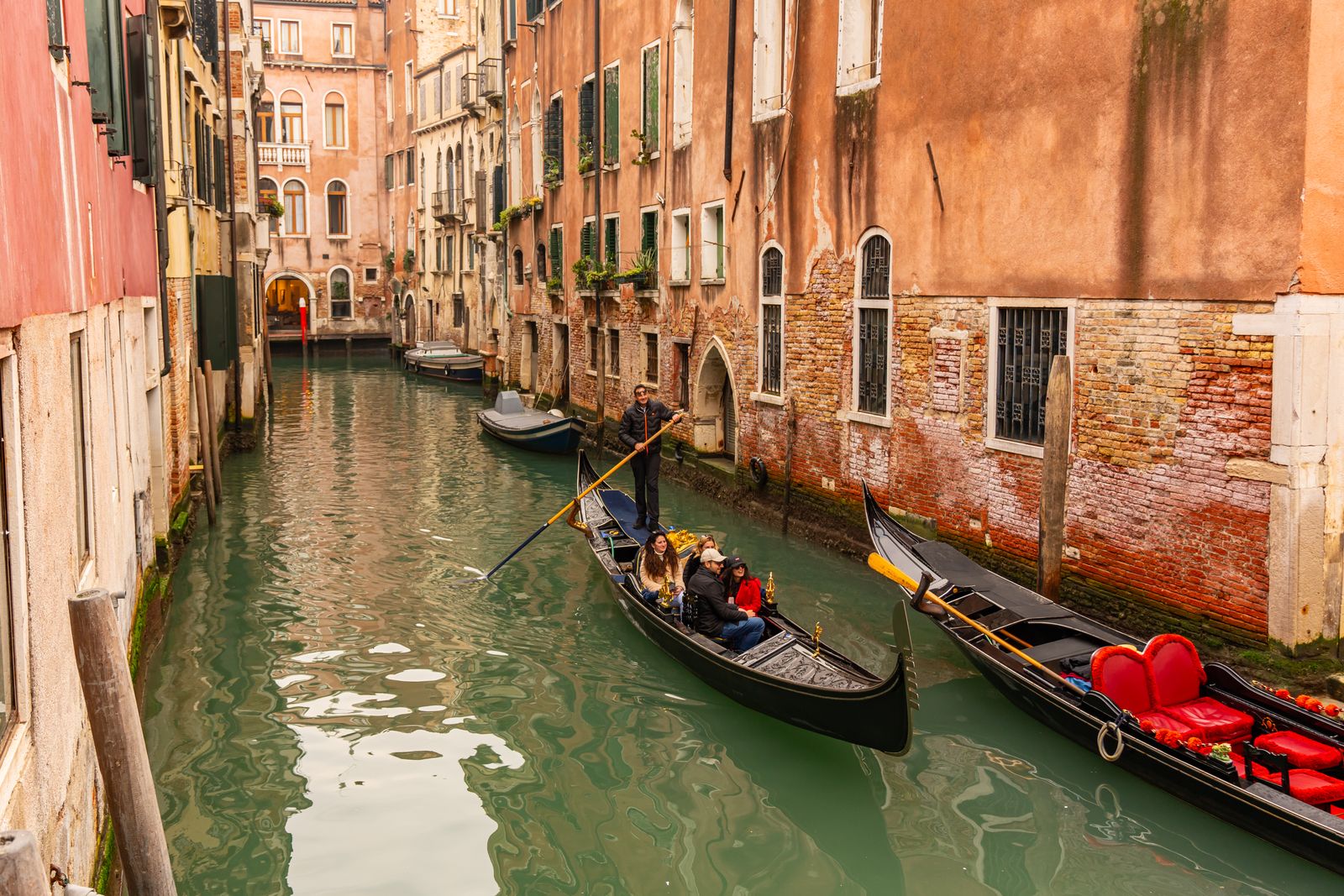
You arrive the only way Venice takes seriously: by water, at your palazzo’s own door. The oldest streets here are made of light and reflection. After midnight, a gondolier who sings only when asked.
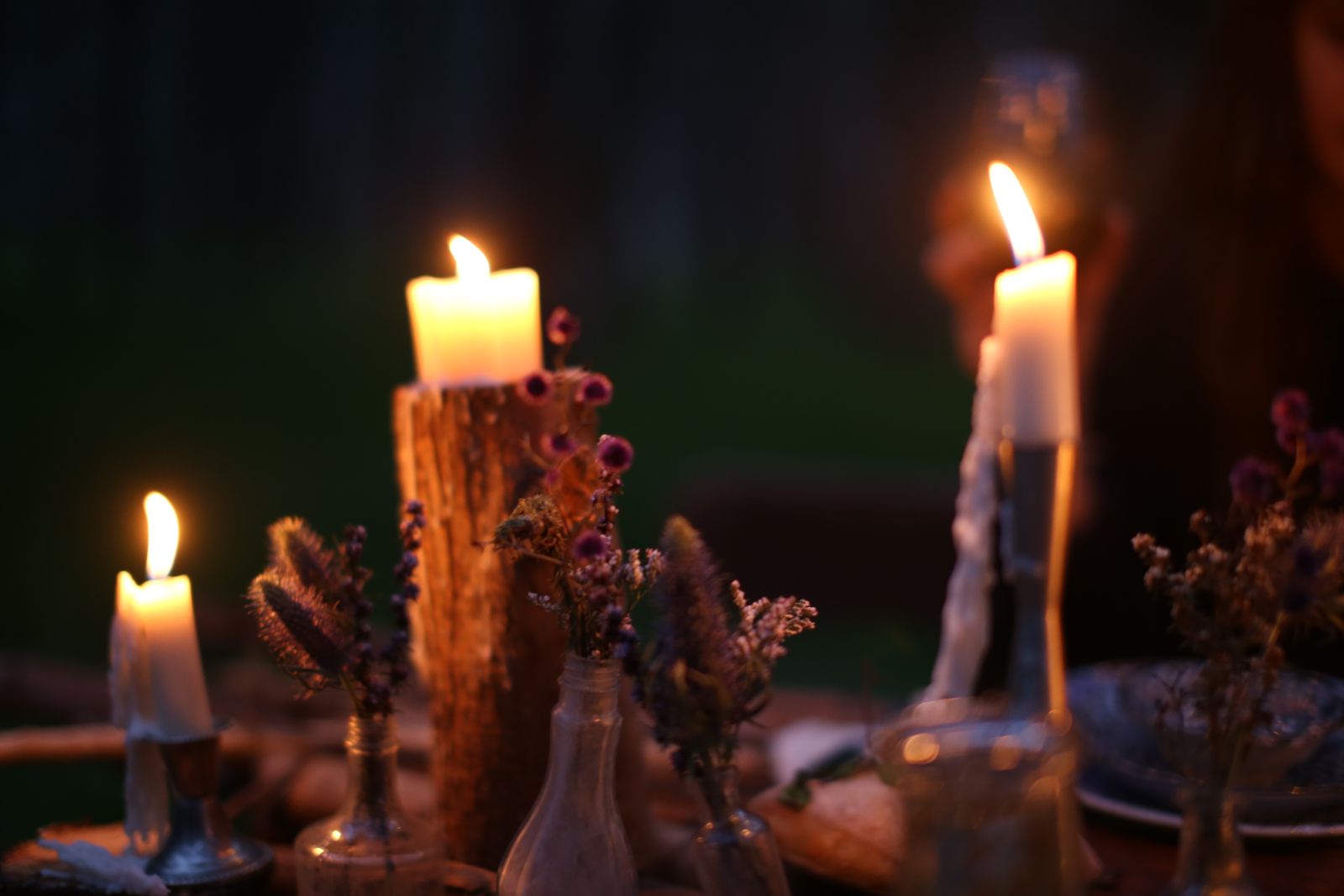
A farewell dinner under vines and candlelight, every course from within ten miles. Somewhere between the second glass and the last, the whole journey is retold for the first time. This is how stories learn to walk.
Beneath every Italian day runs Narada’s quiet machinery — keys, tables and rooms arranged long before you think to want them.
Museums, chapels and cloisters before opening and after closing — the hours the crowds have never seen.
A companion who tells the city as gossip rather than dates — and knows precisely when to disappear.
Riva launches and coastal tenders on quiet standby, so the sea is always a door rather than a view.
Seats in rooms that take no reservations. The table appears because you do.
The winemaker’s own bottles, chosen at the table, following you home by courier before you have unpacked.
Your days, mapped and hand-bound, arriving weeks after you return — when the journey has settled into a story.
( Journey Information )
Everything you may wish to know before Italy slows you down.
May and June for the coast, September and October for the vineyards, and the quiet weeks of early spring for cities that briefly belong to their own citizens — and to you.
Four addresses in twelve days, never eight. Italy rewards those who stay long enough for the waiter to remember them.
We travel at the hours the crowds do not keep — dawn in the piazzas, evenings in the galleries, and the private doors in between.
Linen, and very little of it. Anything missing has a way of appearing in your rooms by evening, wrapped in tissue.
Italy is built for families and long tables. Children are handed aprons in the kitchen and secrets in the museums.
Write to us. One unhurried conversation is usually enough to draw the first map — the rest is drawn at the table.